PAST IMPERFECT // FUTURE PRESENT
Curated by VIAD
FADA GALLERY, FACULTY OF ART, DESIGN AND ARCHITECTURE BUILDING, UNIVERSITY OF JOHANNESBURG,
17 BUNTING ROAD, AUCKLAND PARK, JOHANNESBURG
24 March – 15 May 2015
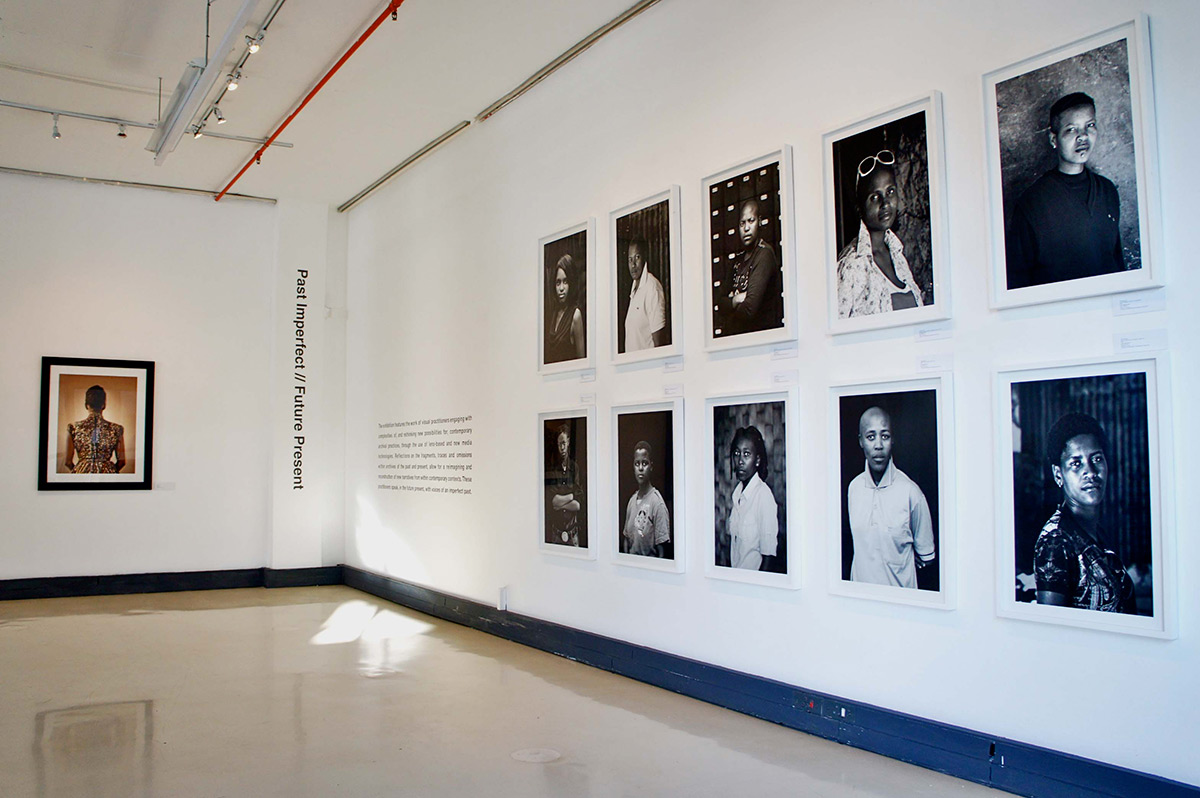
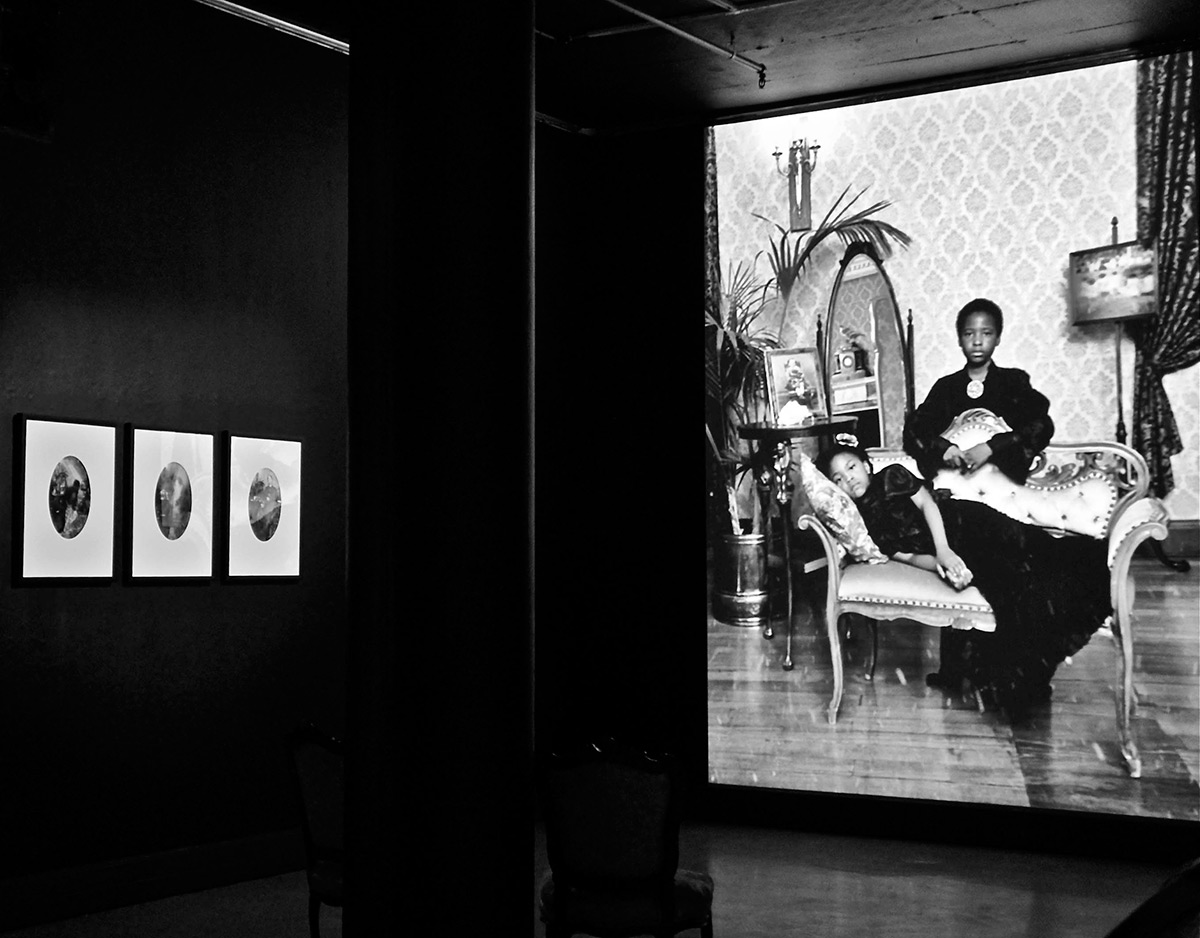
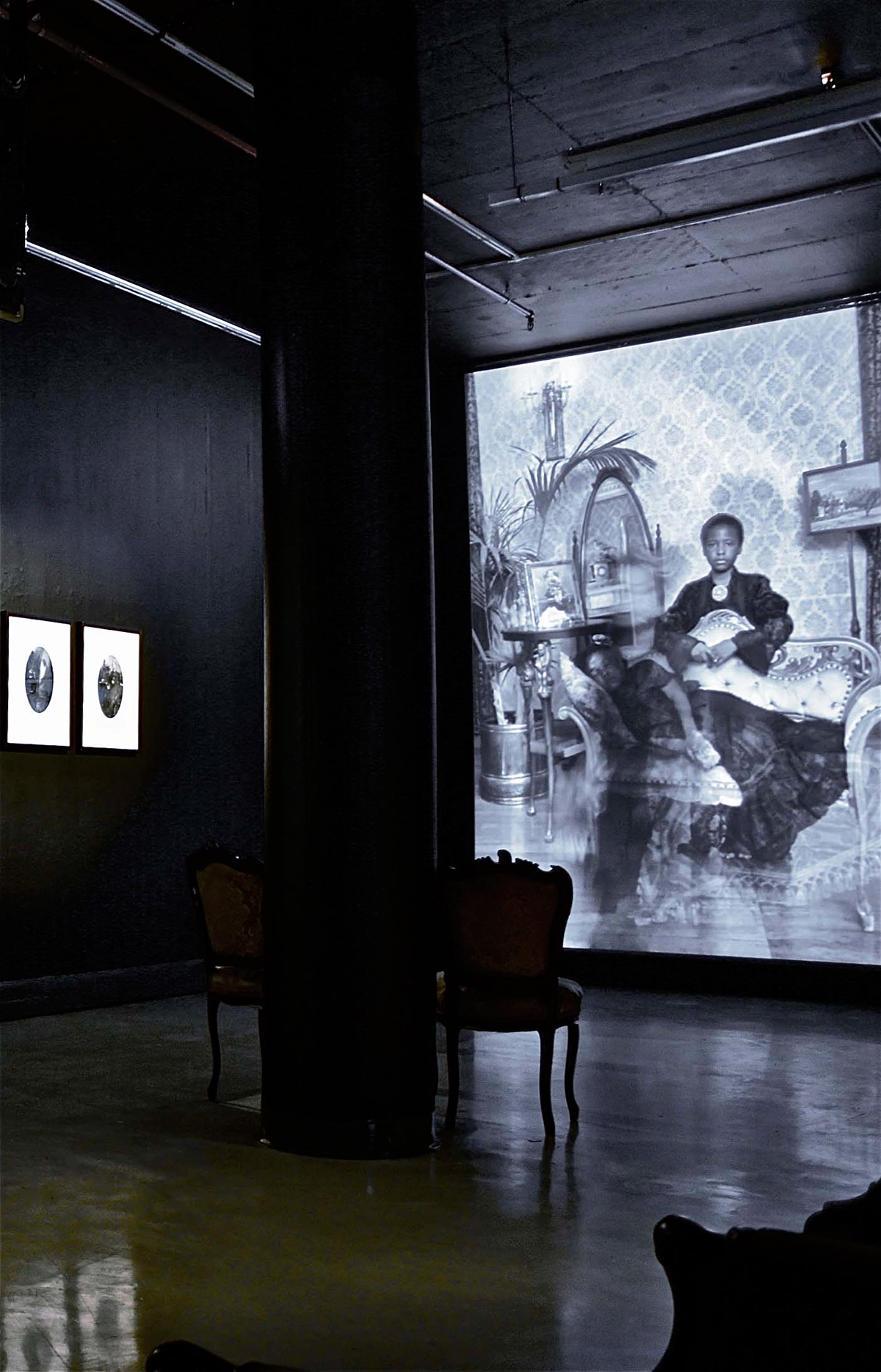
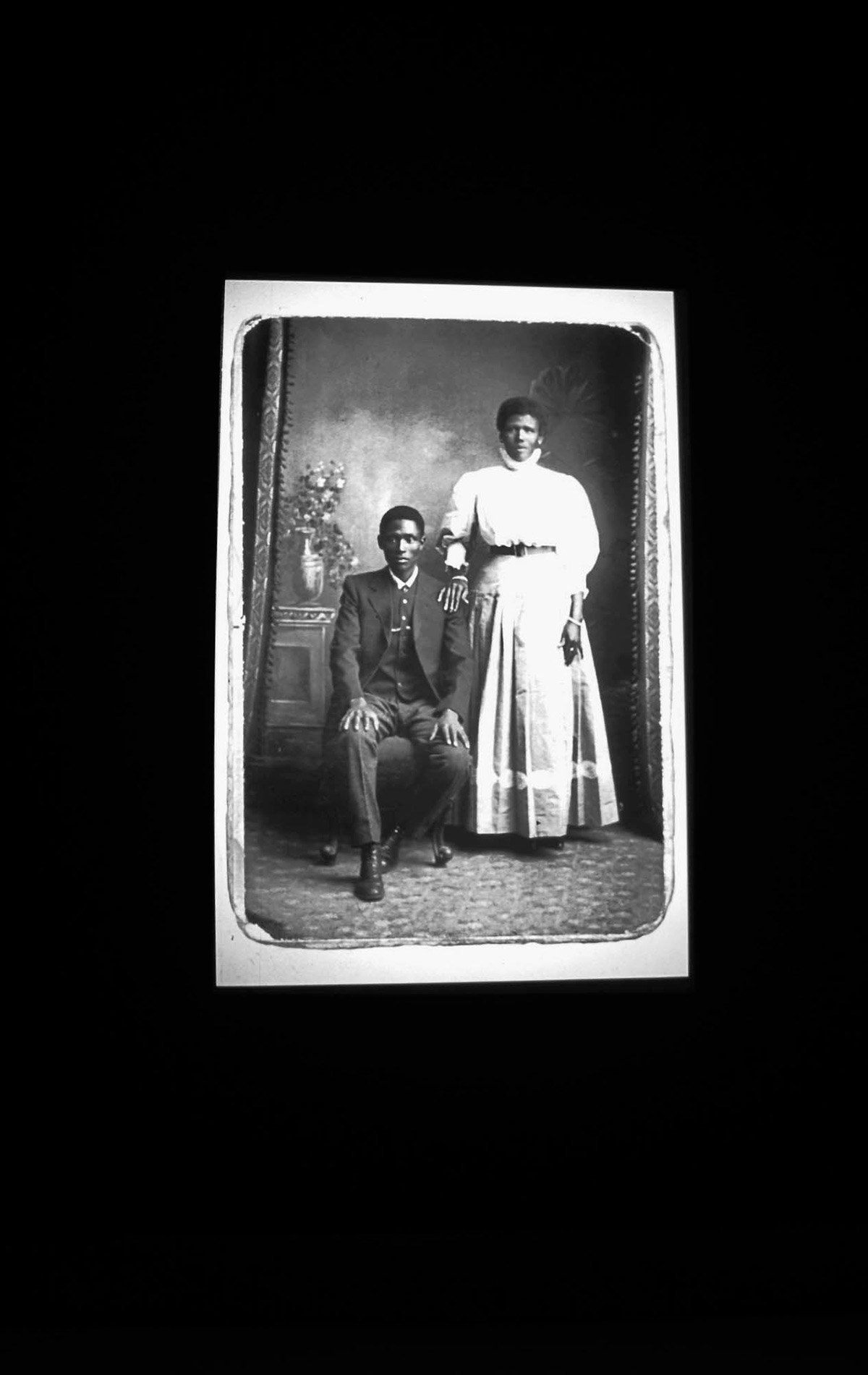
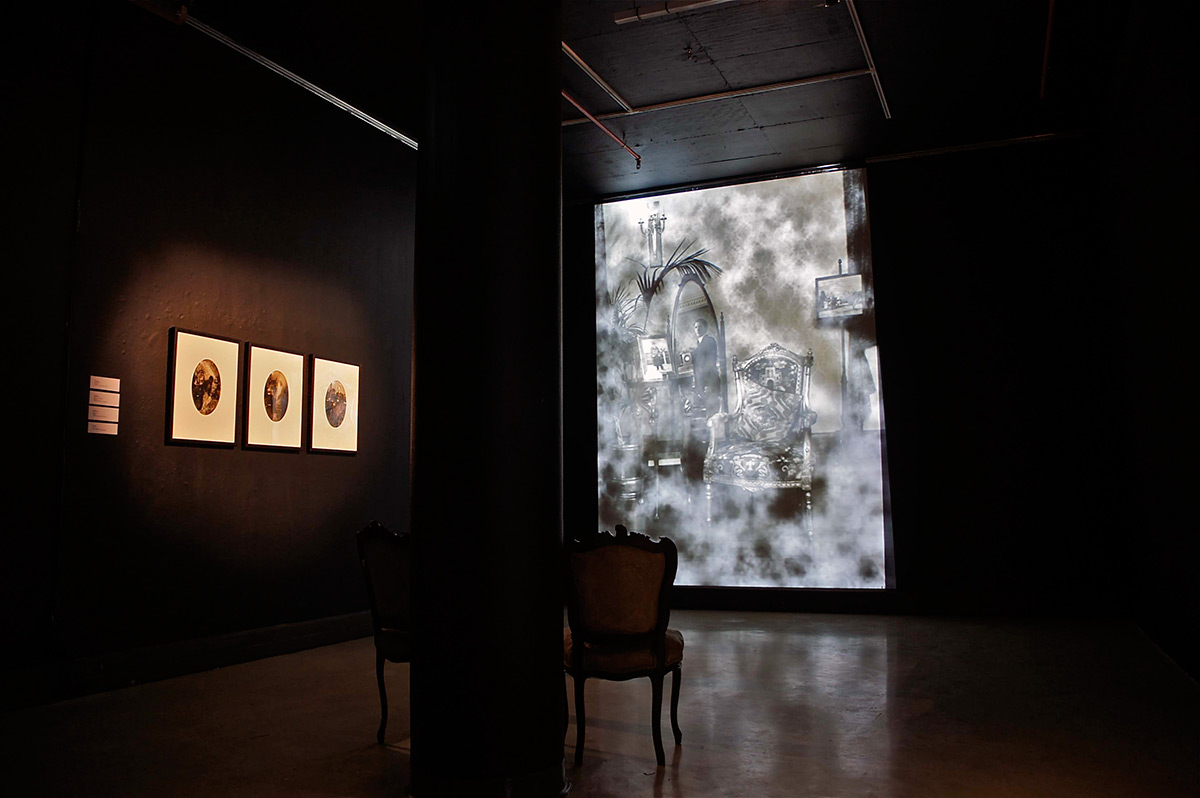
Past Imperfect // Future Present features the work of visual practitioners engaging with complexities of, and rethinking new possibilities for, contemporary archival practices using lens-based and new media technologies. In reflecting on the fragments, traces and omissions within archives of the past and present, these practitioners are reimagining and reconstructing new narratives from within their contemporary contexts. Works on the exhibition reflect and expand on issues raised in Archival Addresses: Photographies, Practices, Positionalities, a platform that forms part of VIADUCT 2015 an annual programme convened by the Visual Identities in Art and Design Research Centre, Faculty of Art, Design and Architecture, University of Johannesburg.
Past Imperfect // Future Present explores multiple approaches through which the archive may be ‘addressed’. In their work, practitioners engage with archival content (drawing on, intervening, reinterpreting, reframing, re-activating and re-appropriating); refer to, and ‘speak with’, the archive, thereby setting up a conversation that takes place in-between the spaces of interchange.
Some practitioners address archival sources in ways that prompt viewers to re-think how artworks are received. Readings of images are framed by both the practitioners’ and viewers’ contexts. Those working in the digital realm – at times playfully and mischievously – push the archive into new territories, exploring the ongoing expansion and diversification of archival forms. By unravelling archival modalities and unsettling its norms, these practitioners raise questions around consumption, accessibility, ownership, ethics, power and control. Practitioners using social media and digital spaces blur the lines between the intimate and the public through ongoing performances of (self) identities within, and in response to, constantly transforming and emergent digital terrains. In selecting particular works that highlight a diversity of practices, a (thin) slither of archival addresses is brought into view.
Meet the Artists
Ayana V. Jackson is a US-born photographer and filmmaker who explores varying constructions of African and African American identities in primarily early 20th-century photographic archives, through the use and imaging of her own body.
Michelle Monareng is currently completing an MAFA at the University of the Witwatersrand. Her work explores the undoing of archival interpretations and the reallocation and transformation of factual information into the realm of artistic imagination.
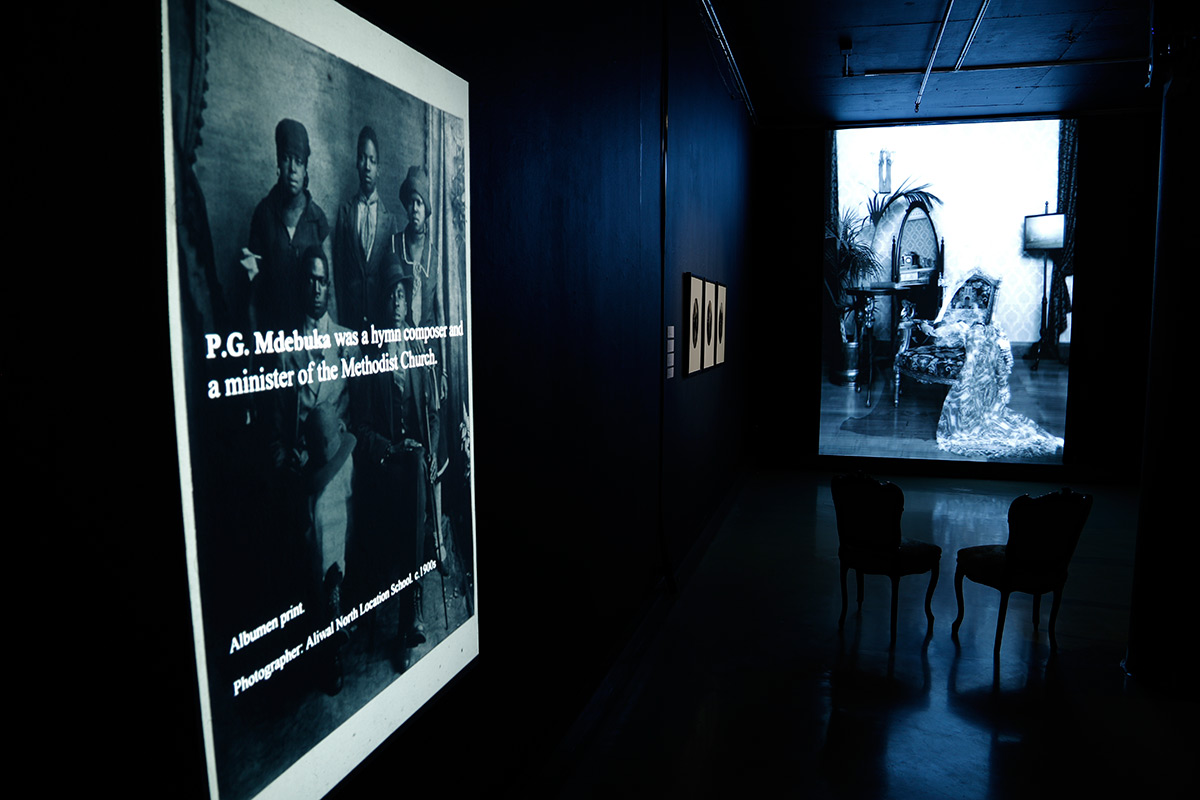
Santu Mofokeng is a Johannesburg-based photographer. He focuses on explorations of photography invested with political significance, prompting a wider inquiry into issues of ownership, power, and memory. With subjects as visually diverse as religious rituals, images of Black identities, or desolate landscapes, Mofokeng subverts the comfort zones of racial and cultural memory, questions the politics of representation, and challenges the objectifying gaze of the photographer.
Zanele Muholi works and lives in Johannesburg. In their work, Muholi explores often forgotten and omitted Black queer and trans visual histories as a form of resistance against hate crimes on the continent and beyond.
Alexander Opper is an architect, designer, artist, writer, and Senior Lecturer in the Department of Architecture, Faculty of Art, Design and Architecture, University of Johannesburg. In his design practice, he explores relationships across traditionally separate disciplines such as art, architecture, furniture design, and language. His current artistic practice focuses on the overlaps and connections between the theory and production of architecturally/spatially inspired installation environments. This growing body of work gravitates around a mode of critical spatial practice, held together under the working title Undoing Architecture.
Uriel Orlow lives and works in London. He produces multi-media installations that explore blind spots of history and forms of haunting and bring different image-regimes and narrative modes into correspondence. Orlow studied Fine Art at Central Saint Martin’s College of Art & Design and The Slade School of Art, London, and philosophy at the University of Geneva, graduating with a PhD in Fine Art in 2002. He is currently a Senior Research Fellow at the University of Westminster and Visiting Artist at Geneva University of Art & Design (HEAD), Geneva, Switzerland.
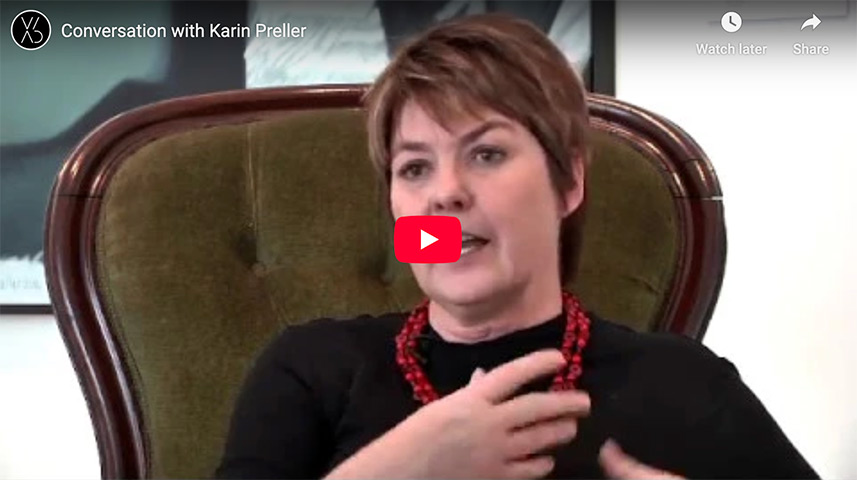
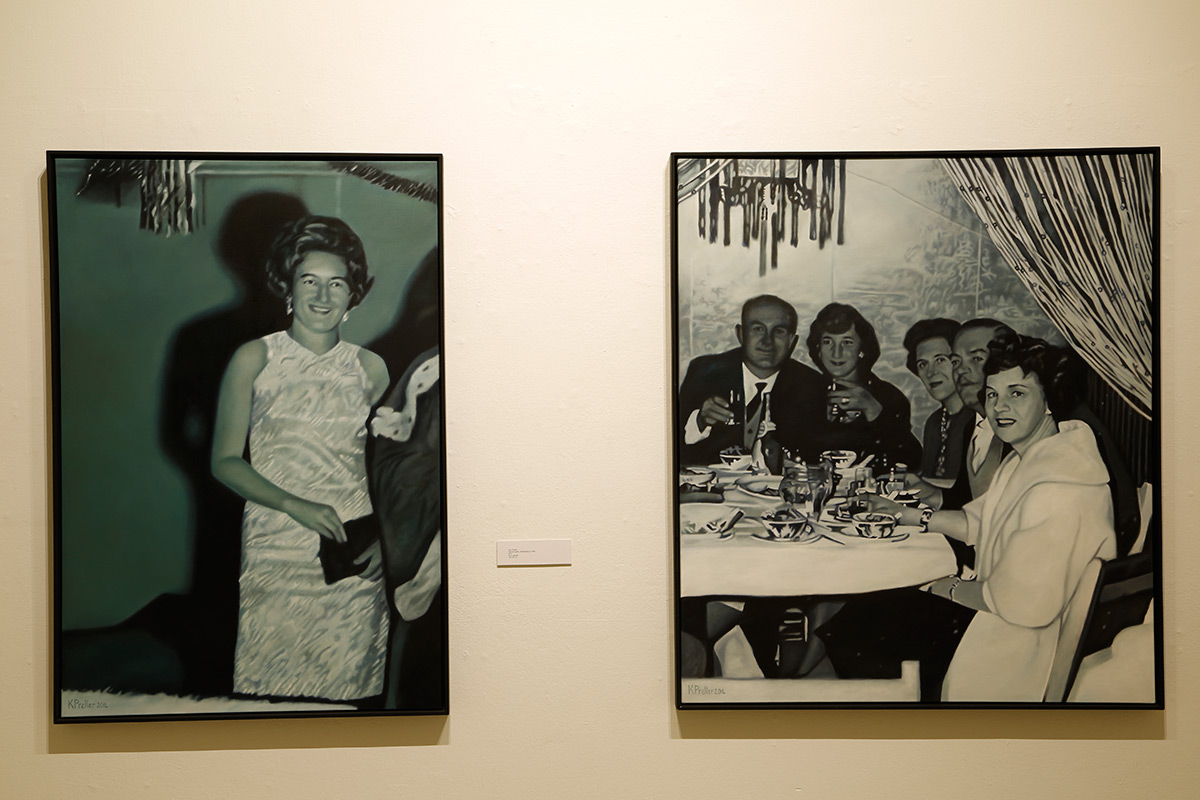
Karin Preller is a Johannesburg-based artist who holds an MAFA from the University of the Witwatersrand. In her work, she investigates visual ambiguities and ambivalences present within photographs and their translation into paint.
Jo Ractliffe is currently Cape Town-based. She draws on a range of photographic and art practices including snapshot, documentary, forensic, and studio photography, as well as installation, video, and projections. In her work, Ractliffe engages with ephemerality, desire, loss, longing, spaces of absence, silences, the known and the unknown, attempting to depict that which lies outside of the frame.
Bogosi Sekhukhuni was born in Johannesburg one year after Nelson Mandela was released from prison and one day after his release date. He studied Visual Arts at the University of Johannesburg and works with the digital artists’ group, CUSS. Sekhukhuni critiques personal and political identities within post-1994 South Africa.
Tabita Rezaire is a Danish-Guyanese artist-filmmaker and video/new media curator based in Johannesburg. She focuses on the political aesthetics of resistance in screen-based practices, engaging in cinematic urban intervention and digital activism through videos, curated screenings, and camera workshops in marginalized urban environments. Exploring the performativity of encounters, online and offline, she addresses issues of sex, race, and gender confronting media stigmatization and occidental hegemonies.
Minnette Vári is a Johannesburg-based artist and part-time Lecturer in the Department of Visual Art, Faculty of Art, Design and Architecture, University of Johannesburg. She works across a range of diverse mediums, from ink drawing to video installations, often incorporating performance elements into reworked historical documentary and archival footage. In her work, she conflates self and history, examining how identity arises out of South Africa’s traumatic past.